

Stuck In The Middle - Younger Cancer Patients Left Out

Here I am, stuck in the middle! Stuck between AYA cancer support and adult cancer support. AYA refers to adolescent and young adult cancer patients. Typically the age reference is 15-39, but some sources have it listed as maxing out at 35. I was diagnosed at 28 and am now in my mid-30s. I’m slowly edging my way toward the end of AYA support, but I still feel entirely too young to fit into standard adult cancer support. I also find myself the oldest in my AYA groups which makes some of the discussions and support offerings not applicable. I truly feel stuck in the middle most days. I’ve found my age group to be missing support, education, and even medical research when it comes to how we are impacted by our cancer.
Working During Cancer
In general, I find there to be a lack of support for those of us who either choose or have no choice but to work full-time while undergoing cancer treatment. For me, I didn’t have nearly the number of years of service to contemplate taking early retirement. I think I maybe had $5000.00 in my retirement account. And although I could technically qualify for full disability, the amount that would be paid out was so minimal that we would lose our house. Yet I had medical bills rolling in and I needed to keep my health insurance to receive the care I needed. So I had to continue to work full-time. Younger cancer patients may still be supported by their parents, while older patients may be able to retire early. I’ve found those of us in our 30s need to work in some capacity to support our care and our families.
Younger Cancer Patients Are Left Without
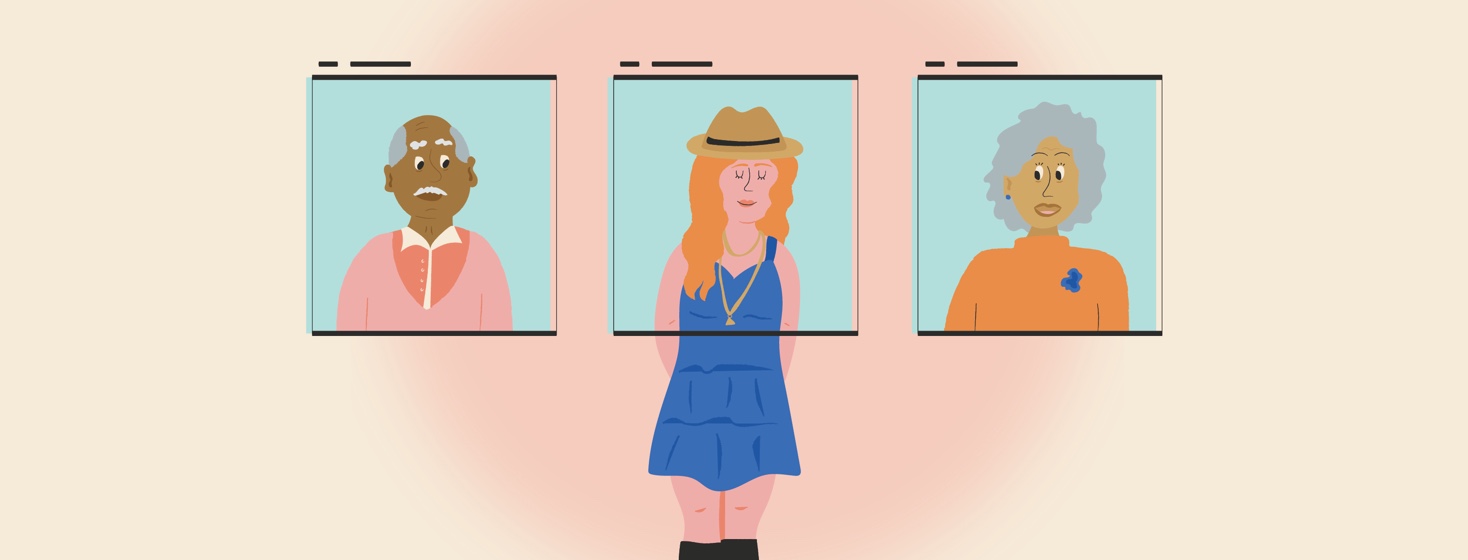
Education for my demographic has been lackluster if available at all. If I go on websites like BCAN, the different ostomy supplier pages, and even looking at pamphlets in my cancer center. All the photos and information is geared toward people much older than me. I think it is wonderful that there is such a wealth of information for older individuals, but everyone looks like my grandparents. I can’t find info for someone who wants to lift weights, do water sports, or dance with an ostomy. No one really talks about the impact of hormone fluctuations when you have a hysterectomy at 28. And more importantly, when it comes to bladder cancer, the lack of education regarding how symptoms present in younger individuals, especially women, is consistently leading to later diagnosis, more advanced diagnosis, and an inability to self-screen for bladder cancer.
"You Aren't In Your 20s Any More"
Being in my 30s with bladder cancer has opened my eyes to how very little research is being dedicated to my age group. For younger individuals presenting with blood in their urine, low back pain, dramatic weight loss, or fatigue, I feel like the red flags are raised much faster. In older individuals that fit the median age for bladder cancer, these symptoms are also noticed much more quickly. In my age group, I discovered for myself and many other women, our symptoms are completely disregarded. We are diagnosed with UTIs, menstrual cramping, and our fatigue relegated to “you aren’t in your 20s anymore”. For me, the dramatic weight loss was congratulated even though I was very concerned. This actually led to multiple misdiagnoses in the actual ER because I was “too young” to have bladder cancer. The medical world is not doing its due diligence in researching this disease for young adults.
Those of us in our late 20s and 30s find ourselves very stuck in the middle of the available support, education, and research available for cancer patients.
Join the conversation