

The Importance of Self-education for Caregivers
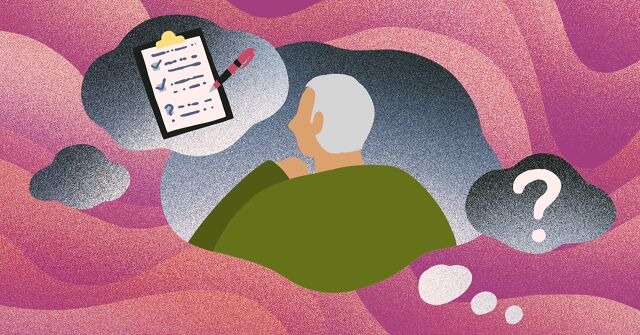
If a bladder cancer diagnosis has come into your life, then I think there’s one experience we will all have shared. Yep, I’m talking about the frantic online search, googling for answers with no success. This rapid downward spiral can quickly turn into crazed madness. An eventual rabbithole we descend into, which is even more intimidating than the one in Lewis Carroll created for Alice in wonderland.
Internet searches can be scary
Yet, just like the eat me drink me scene, where things are made bigger or smaller than they actually are, depending on where you land for information, you may experience the same thing. What I mean is, there is so much contradictory, terrifying, or just plain unintelligible information out there, that finding a source you can trust can be one of the hardest things. That was definitely true of my experience searching for answers and information, after hearing my Mom’s diagnosis. And because I was living in another country, unable to hear medical updates from the horse's mouth, online research was my only resource to find out what was happening and what may be possible.
When my Mom was first diagnosed, I jumped from website to website, academic paper to research group results. I bounced around so many sites online, yet none of them provided the help, clarity or information I needed. Yet, self-education about cancer and treatment options was my only way to find a sense of control. I couldn't be there for appointments, so I needed to inform myself on what was happening, what could happen, and everything in between.
Lessons learned
Looking back, here are some of the things I learned which helped me deal with the distance and the details of my Mom’s diagnosis:
If you can’t be with your loved ones for their appointments, then like me, you will need to do some research. This research was necessary to keep up on the ever-increasing updates, medical terminology, treatment names and every other thing in between. And whilst I, unfortunately, wasn’t aware of sites and communities like this one at that time, this meant that I didn’t really know where to go to find these answers. Well, I did have google, but as I said, that brought me only into a deep dark rabbithole. Therefore, my first piece of advice is to find a source such as bladdercancer.net which you can trust to provide clear and understandable information.
Don’t rely on the patient/loved one to update you with everything. This was an important one for me to get to grips with. It is possible that sometimes, they want to forget their condition for a while. Or, oftentimes, due to the overload of information, they may have forgotten some of the details. If you can’t be there for the appointments, remember that it is important to be there for your loved one in any way you can. What I mean is, constantly pressuring for updates can become tiresome for the patient and, in a way, unsupportive. Understanding that we all need the time to digest the information is important. But so is just being there without adding any extra pressure or stress.
Finding your community online
Finding communities online or in your area can also really help. This advice is for both patients and caregivers alike. For me, having somewhere outside of my immediate “Cancer bubble” to offload and ask for advice did wonders for my perspective and mental health. But more than this, support networks allowed me to understand that it's ok to not know everything. And that asking questions and requesting advice from people not in my world, but who have still been through the same experience, can be incredibly supportive. The stories we share are little nuggets of information and experience. Hearing from people who have been through it and can provide realistic perspectives was one of the most useful sources of information I found during those dark days.
There are many ways to inform ourselves about diagnoses and treatments. But what I learned is that sometimes, finding the right ways to do this can be challenging. As the saying goes: Knowledge is power. But in my experience, not all knowledge is power. Sometimes, we need to be more selective about what we read and where we read it. But more than this, we shouldn’t expect the patient to be our only source of information.
Join the conversation